Solar Farm Environmental Impact in Maryland: Facts vs. Fiction
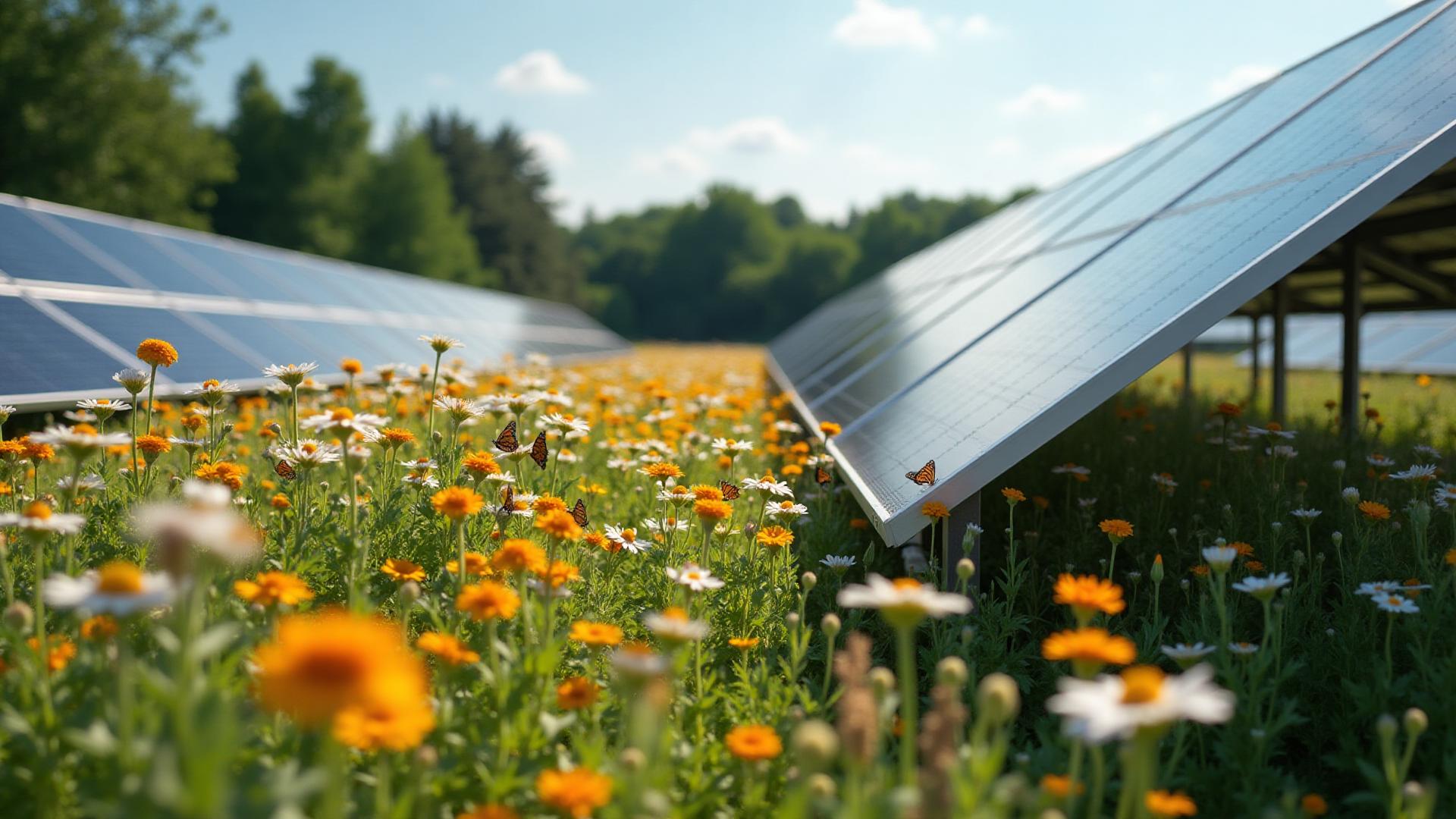
As Maryland's leading solar developer, Matrix Solar is committed to environmental stewardship. This comprehensive guide separates fact from fiction about solar farm environmental impacts and reveals the surprising ecological benefits of responsible solar development.
The Environmental Case for Solar Energy
Solar energy is essential to Maryland's climate goals. Every megawatt of solar capacity reduces carbon emissions equivalent to planting 150 acres of forest. But beyond carbon reduction, well-designed solar farms provide additional environmental benefits that often surprise landowners and communities.
Positive Environmental Impacts of Solar Farms
1. Pollinator Habitat Creation
Maryland's pollinator populations are in decline, but solar farms can help reverse this trend:
- Native Vegetation: Solar sites are planted with pollinator-friendly native grasses and wildflowers
- Pesticide-Free Zones: Unlike traditional agriculture, solar farms don't use pesticides or herbicides
- Year-Round Habitat: Permanent vegetation provides consistent food sources for bees, butterflies, and birds
- Research Support: Studies show 10x increase in pollinator diversity on solar sites vs. traditional farmland
2. Water Quality Improvements
Solar farms can significantly reduce water pollution compared to intensive agriculture:
- Zero Fertilizer Runoff: Native vegetation requires no fertilizers that contaminate waterways
- Reduced Sediment: Permanent ground cover prevents erosion and sediment pollution
- Stormwater Filtration: Vegetated solar sites filter rainwater before it enters streams
- Chesapeake Bay Benefits: Solar development supports Bay cleanup goals by reducing nutrient pollution
3. Soil Health Restoration
Solar farms allow depleted agricultural soils to recover:
- No Tillage: Soil structure rebuilds naturally without annual plowing
- Organic Matter Accumulation: Native vegetation increases soil carbon and organic content
- Microbial Recovery: Soil ecosystems regenerate without chemical inputs
- Future Productivity: After decommissioning, soil is healthier than before solar development
4. Wildlife Habitat Benefits
Contrary to common concerns, solar farms support diverse wildlife:
- Grassland Birds: Solar sites provide habitat for declining species like Eastern Meadowlark
- Small Mammals: Ground cover supports rabbits, voles, and other prey species
- Raptors: Increased prey populations attract hawks and owls
- Amphibians: Reduced chemical use benefits frogs and salamanders
Addressing Common Environmental Concerns
Heat Island Effect: The Reality
Myth: Solar panels significantly increase local temperatures.
Fact: Studies show minimal temperature differences. Vegetation beneath panels keeps sites cooler than bare soil or pavement. Solar farms are significantly cooler than developed areas like parking lots or buildings.
Glare and Reflection Impact
Myth: Solar panels create dangerous glare for pilots and drivers.
Fact: Modern solar panels are designed to absorb, not reflect, light. Anti-reflective coatings reduce glare below that of calm water. FAA studies confirm no aviation hazards from properly sited solar farms.
Stormwater Concerns
Myth: Solar panels increase flooding and runoff.
Fact: Solar sites typically improve stormwater management. Vegetated ground cover slows runoff and increases infiltration compared to traditional agriculture. Matrix Solar designs all projects to exceed Maryland stormwater standards.
Chemical Leaching Fears
Myth: Solar panels leak toxic chemicals into soil and groundwater.
Fact: Modern solar panels are sealed units with no liquid components. Crystalline silicon panels contain no toxic materials. Maryland environmental testing confirms no soil or water contamination from solar installations.
Matrix Solar's Environmental Commitments
As a responsible Maryland solar developer, Matrix Solar goes beyond minimum requirements:
Native Vegetation Plans
- Site-specific seed mixes developed with Maryland DNR guidance
- Minimum 70% native species in all vegetation plans
- Pollinator-focused plantings around array perimeters
- Ongoing maintenance to prevent invasive species
Wildlife Protection Measures
- Pre-construction wildlife surveys by certified biologists
- Construction timing to avoid nesting seasons
- Perimeter fencing designed to allow small animal passage
- Bird-friendly design to prevent collision hazards
Water Resource Protection
- 100-foot buffers from streams and wetlands (exceeding Maryland requirements)
- Enhanced stormwater management for all sites
- Erosion prevention during construction and operation
- Long-term monitoring of water quality indicators
Solar and Agriculture: Dual-Use Opportunities
Agrivoltaics—combining solar energy with agriculture—offers the best of both worlds:
- Sheep Grazing: Livestock maintain vegetation while farmers earn additional income
- Shade-Tolerant Crops: Some vegetables actually grow better beneath solar panels
- Beekeeping: Solar sites provide excellent locations for apiaries
- Research Partnerships: Maryland universities study productivity benefits of dual-use solar
Carbon Footprint Analysis
Environmental Impact of a Typical Maryland Solar Farm:
- 100 MW Solar Farm: Prevents 120,000 tons of CO2 emissions annually
- Equivalent To: Removing 26,000 cars from Maryland roads each year
- Payback Period: Energy used in manufacturing recovered in 2-3 years
- Lifetime Benefit: 25+ years of clean energy with zero emissions
- Recyclable Components: 95% of solar panels recyclable at end of life
Third-Party Verification
Matrix Solar's environmental claims are backed by independent studies:
- University Research: UMD and Johns Hopkins studies confirm ecological benefits
- Regulatory Oversight: Maryland Department of Environment monitors all projects
- Industry Standards: We follow Solar Energy Industries Association (SEIA) best practices
- Certification Programs: Our projects pursue National Wildlife Federation Solar Site Pollinator Habitat certification
Environmental Monitoring During Operations
Matrix Solar conducts ongoing environmental monitoring at all facilities:
- Annual vegetation surveys to assess pollinator habitat quality
- Water quality testing in nearby streams (where applicable)
- Wildlife camera monitoring to document species diversity
- Soil sampling to track organic matter and nutrient levels
- Third-party ecological audits every five years
Community and Environmental Partnerships
Matrix Solar collaborates with environmental organizations across Maryland:
- Chesapeake Bay Foundation: Supporting Bay restoration through reduced pollution
- Maryland DNR: Wildlife habitat enhancement partnerships
- Local Land Trusts: Coordinating with conservation easements
- Environmental Education: Hosting school groups and research projects
The Future of Sustainable Solar in Maryland
Maryland is pioneering environmentally superior solar development:
- New state guidelines for pollinator-friendly solar design
- Incentives for solar on previously disturbed or brownfield sites
- Research into advanced agrivoltaic applications
- Carbon accounting that recognizes soil health benefits
Partner with an Environmentally Responsible Solar Developer
Matrix Solar is committed to solar development that enhances Maryland's environment. Our projects meet the highest ecological standards while generating clean energy and providing substantial landowner income. Contact us to discuss how solar development can benefit your property and the environment.
Related Articles
Solar Development and Agriculture Preservation in Maryland
How modern solar development can coexist with agricultural land preservation through agrivoltaics and sustainable practices.
Solar Decommissioning in Maryland: What Happens After 25 Years
Complete guide to solar farm decommissioning in Maryland, including removal requirements and land restoration.
Maryland Solar Permitting Process: Complete Guide
Navigate the complex permitting landscape for solar development in Maryland with expert guidance.